


General Information
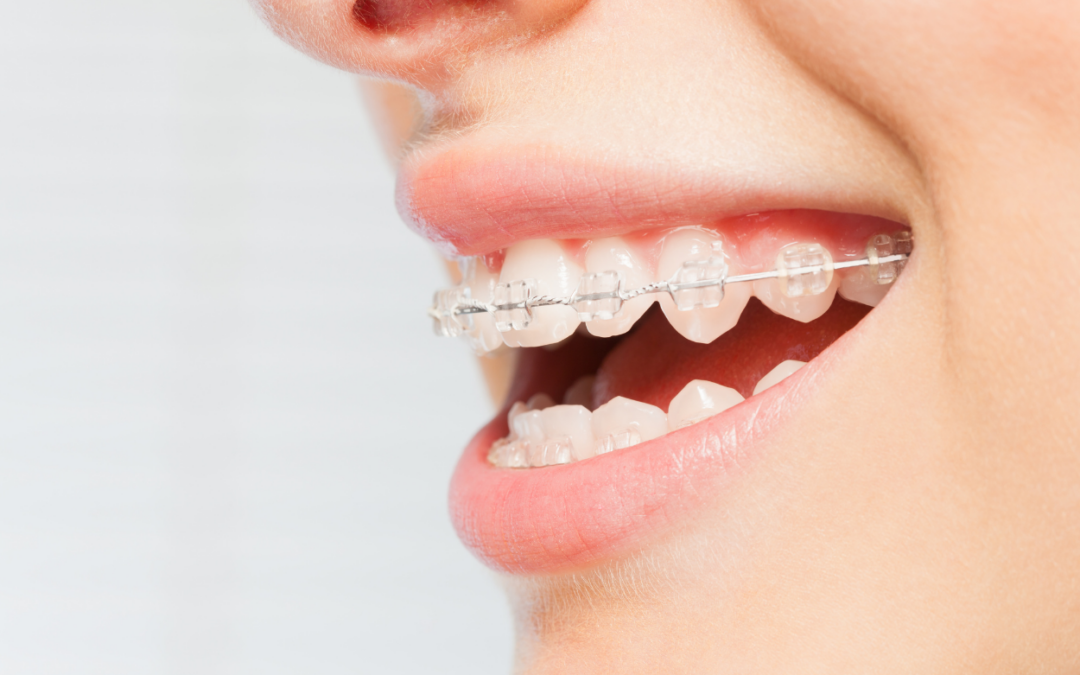
How Long Do Braces Take? (And What Can Make Treatment Longer?)
Opening Question How long will my child need to wear braces? Quick Answer Most comprehensive...

Why Did My Tooth Chip?
Why did my tooth chip when I wasn't even eating anything hard? A tooth usually doesn't chip...
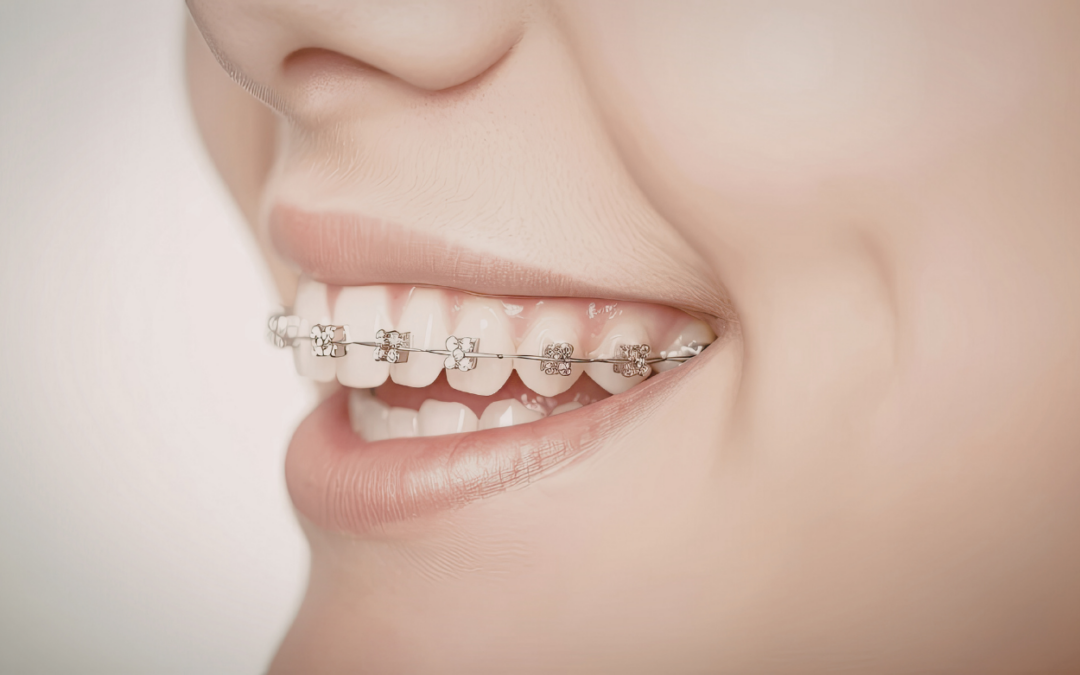
How Long Do You Really Need to Wear Your Retainers?
You’ve finished braces or clear aligners and your teeth look great. So the natural question many...
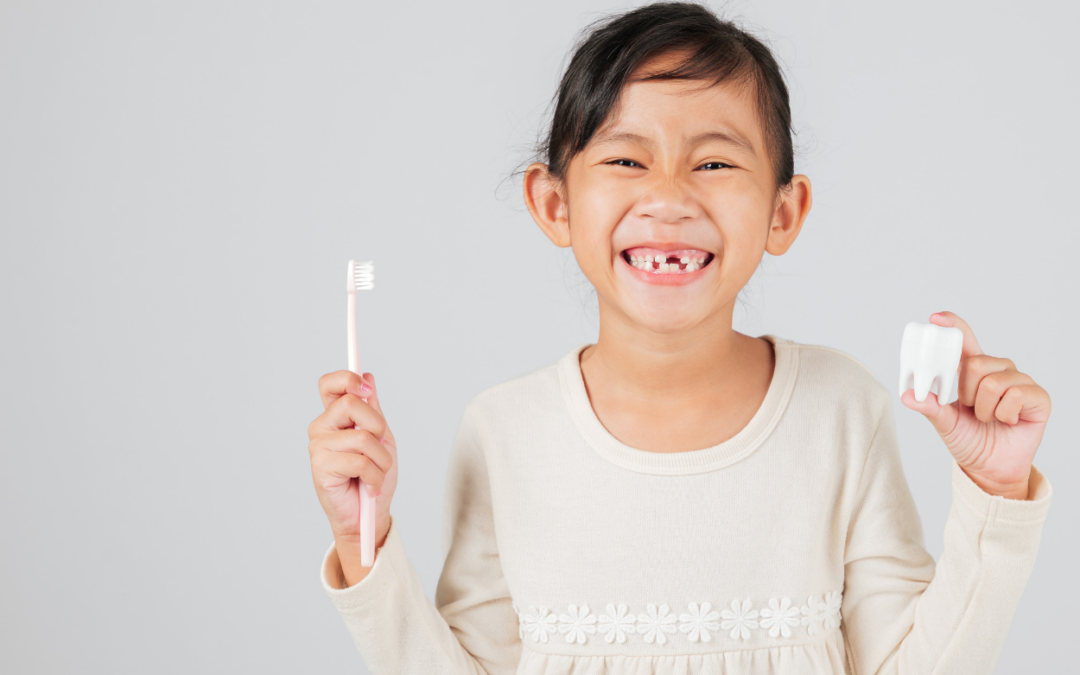
Why Baby Teeth Matter More Than You Think
Many parents wonder: “If baby teeth fall out anyway, do they really need treatment?” The answer is...

Professional Teeth Whitening vs At-Home Kits: Which One Actually Works Best?
If you’re thinking about whitening your teeth, you’ve probably seen a wide range of options — from...
Why Does My Tooth Hurt — And When Should I See an Emergency Dentist in Melton?
“My tooth suddenly hurts. Is this serious?” If your tooth pain lasts more than 24 hours, wakes you...
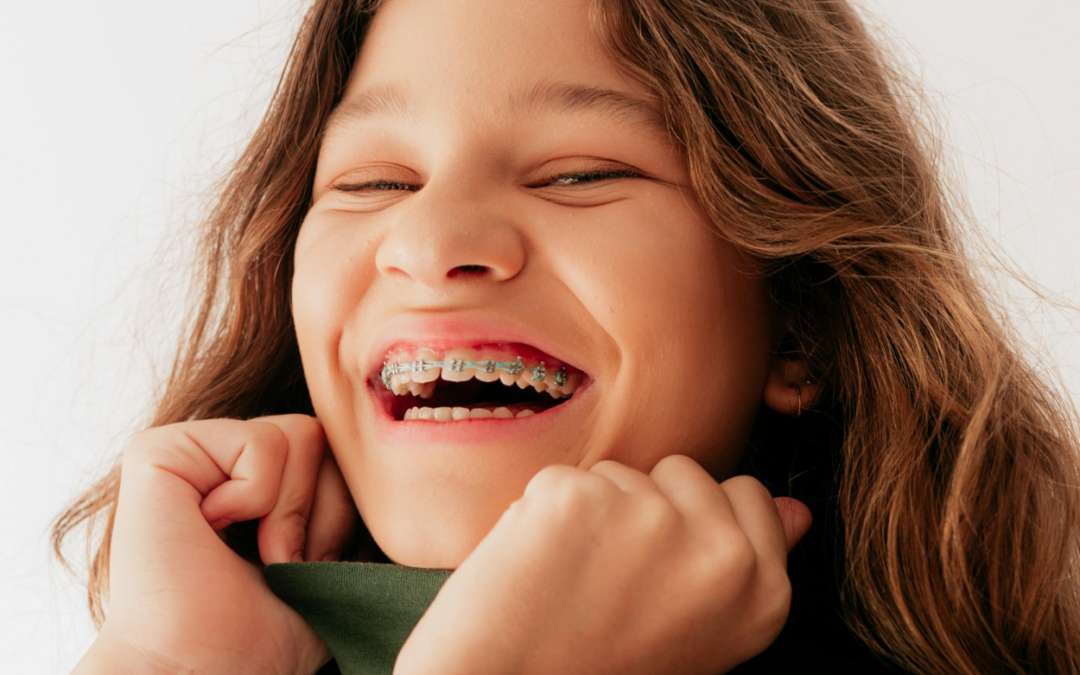
Braces vs. Clear Aligners: What’s the Best Option for Your Teen?
Both options straighten teeth effectively — but the right choice depends on your teen’s bite,...

When Should My Child First See a Dentist?
It’s one of the most common questions parents ask — and the good news is, there’s no strict “right...

5 Simple Dental Habits for a Healthier Year Ahead
Ever wondered what the most effective dental habits actually are? A healthier smile doesn’t...

Why Should My Child Have an Orthodontic Check by Age 7?
Most parents think braces are for teenagers—but dental experts recommend an orthodontic check much...