


General Information
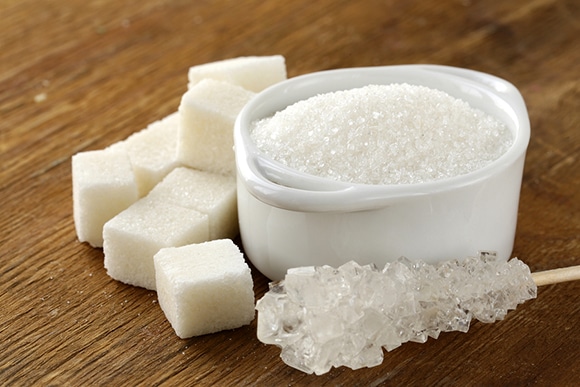
Which sugars harm your teeth?
Not all sugars are made equal. Can you believe that? And some are more harmful to your teeth than others. The important question is then, which types of sugar are the bad ones?

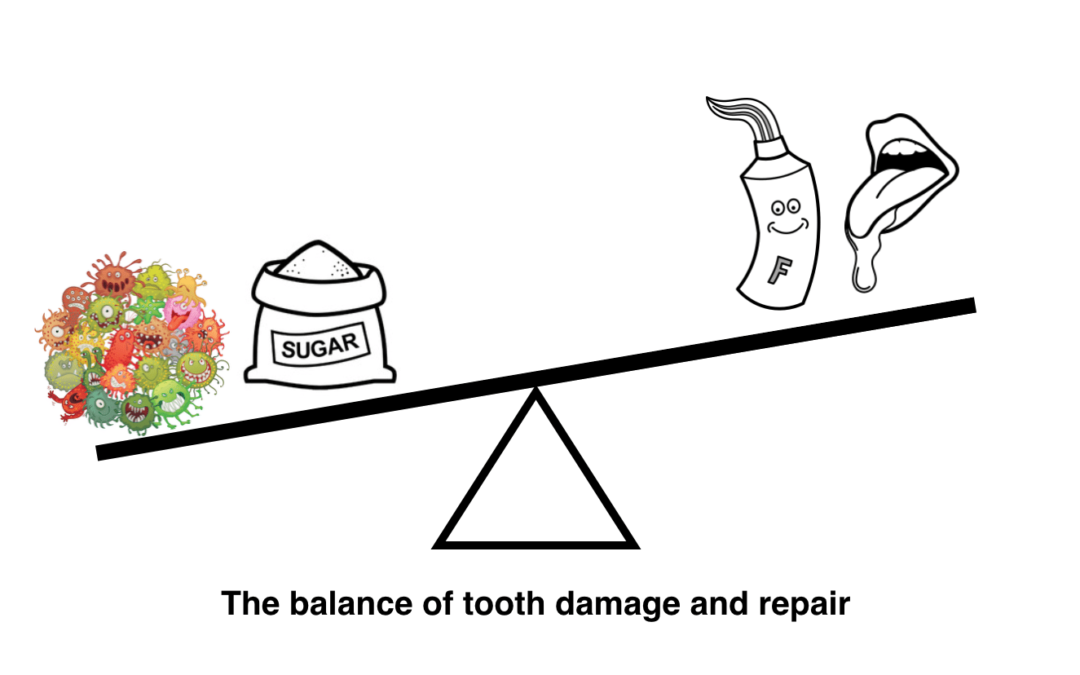
How to protect your teeth from tooth decay Part 2: Bacteria and Sugar
Remember that the process of dental decay is a balance of tooth damage and repair. In the last post, I discussed a few tips of how the repair and protection side of the equation can be enhanced. This blog will focus on minimising the damage on your teeth by removing the causes.
How to protect your teeth from tooth decay Part 1: Saliva and Fluoride
If you understand the tooth decay process as explained in the previous blog, then you’ll know that the damage can be reversed. Not all decay on your teeth need to be filled. How does this work? The logical thinking would be to remove the causes and enhance the natural repair of your teeth. i.e. tipping the damage/repair scale.
Why some people get holes in their teeth and others don’t
“My partner had a lot of sweets but he has never got a hole in his life.” It seems unfair, isn’t it? Well, it’s either he’s not aware that he has holes in his teeth or another explanation follows below. Read on…
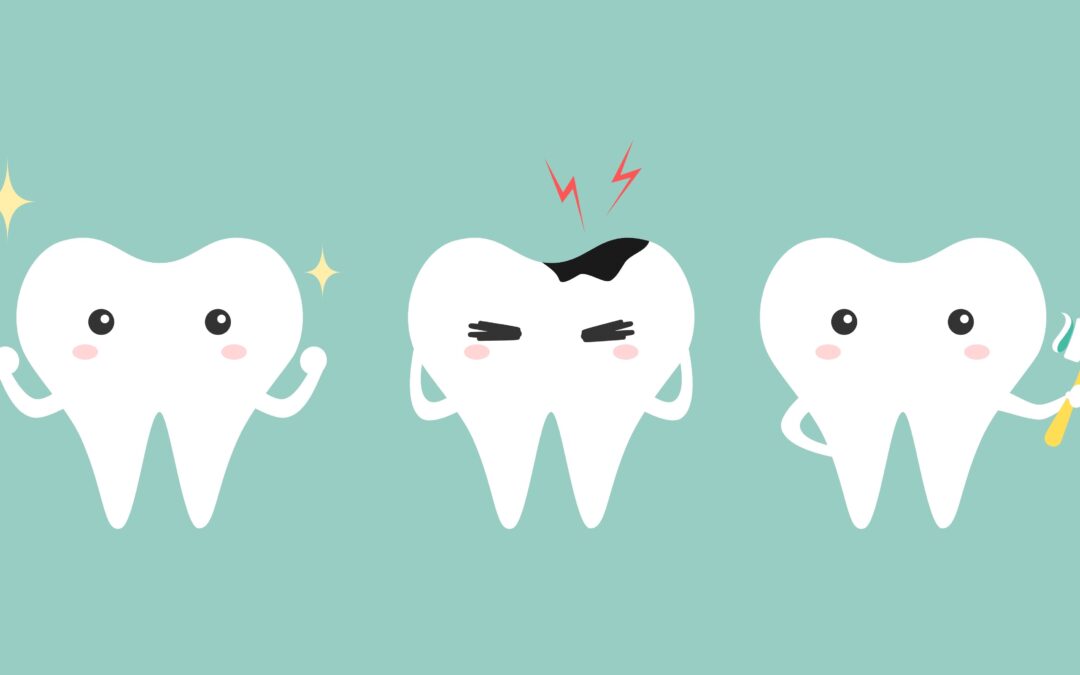
What cause dental decay?
The number one problem in dentistry, by far, is dental decay or “holes in teeth”. Dentists all over the world are filling holes every single day and 99.9% of all people would have at least one hole in their life time. So, it’s no surprise that the million dollar question is “ what causes dental decay?”
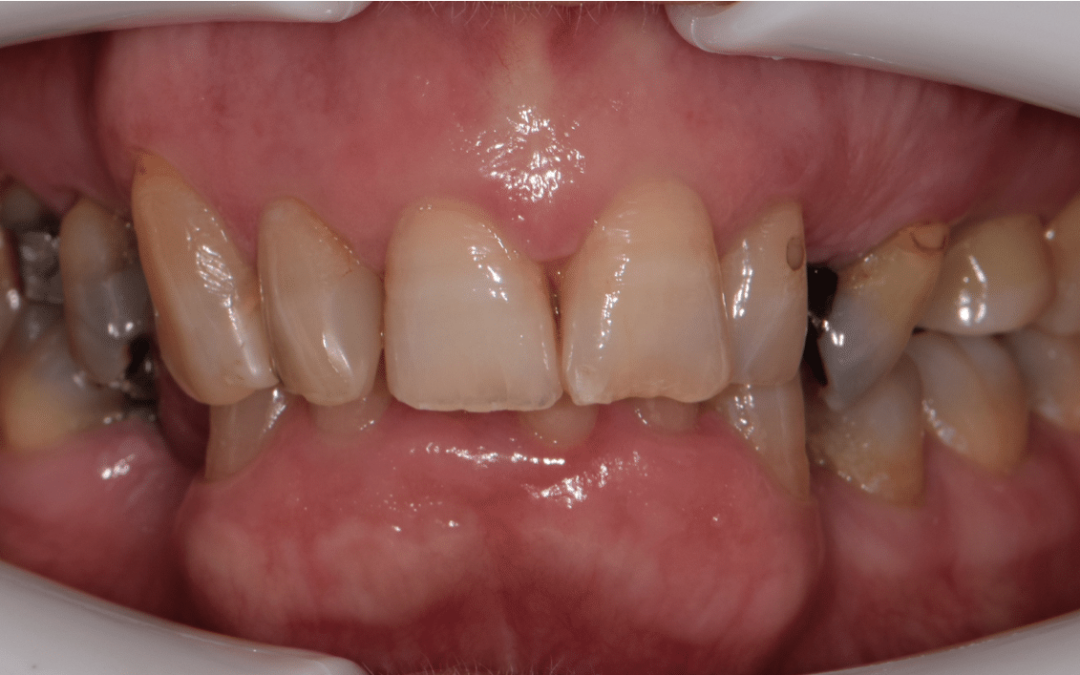
How removing teeth causes a deep bite
I strongly believe that every picture tells a story and if we pay enough attention, we’ll see that devil is in the details. Recently I saw a patient who reminded me of the blog I wrote not so long ago about the consequence of tooth loss. She had a few teeth removed many years ago but never got around to replacing them. The change in her mouth occurred slowly that it was difficult to recognise from day to day. Looking at the photos below, a story emerges.
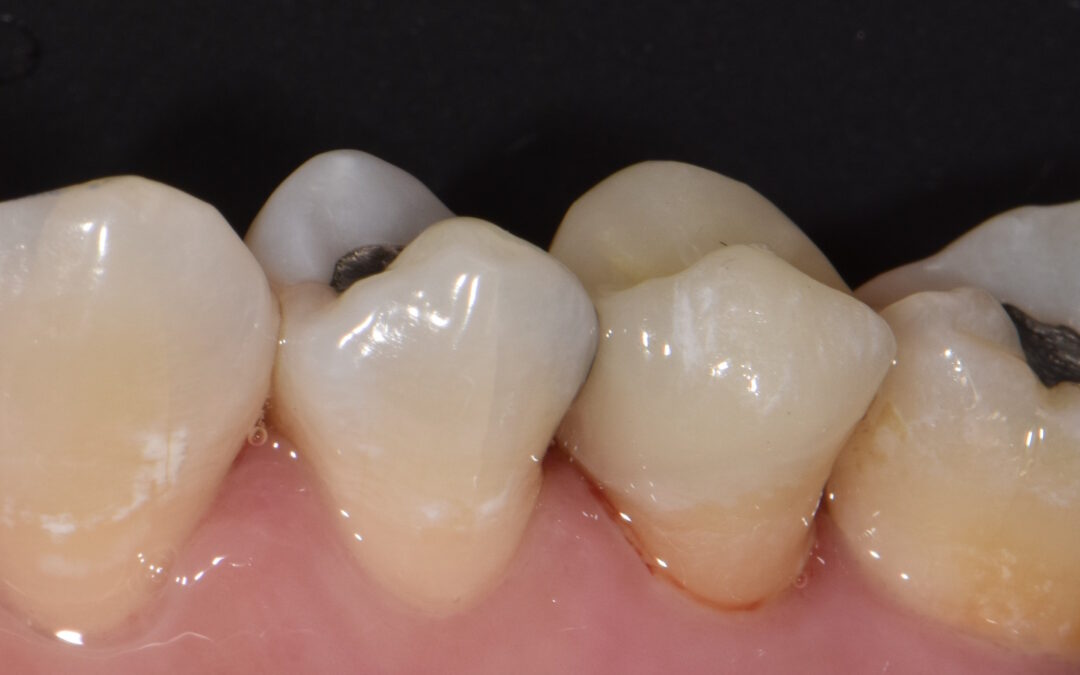
What is capping?
In the last post, I talked about how cracks in teeth can have catastrophic effect on teeth. They’ll either break or split teeth. A natural next question would be: what can we do about it? When I said “capping”, I found out that a lot of my patients don’t know what it is and how it prevents them from potential consequences of cracked teeth.
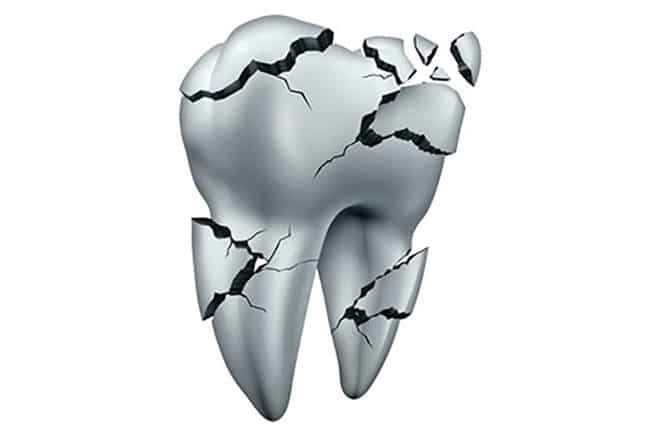
Broken tooth: a warning sign
In the last blog I mentioned that I spent my time fixing a lot of broken teeth. I got curious after writing and went back to look over photos of my patients’ broken teeth. In the past month, I saw patients almost everyday whom I fixed their broken teeth for and below are their photos. They are extremely common.

Cracked tooth – the slient killer
50 years ago, when dental drills became available, the landscape of dentistry changed. Instead of taking decay teeth out and replaced with removable dentures, we repaired teeth. This means that the rotten part of teeth were cleaned out and filled in with materials, at the time it was silver-coloured amalgam. As the years go by, it became widely expected that we’ll keep our teeth until we’re old.

A time bomb in your teeth
In the past, it’s a common practice that patients visit dentists when they are experiencing pain or they have noticed a hole in their teeth. To me, this behaviour doesn’t make sense. If all patients turn up only when they have pain, then every dental visits will always be painful and unpleasant. But no one wants an unpleasant dental experience. What a catch-22…