


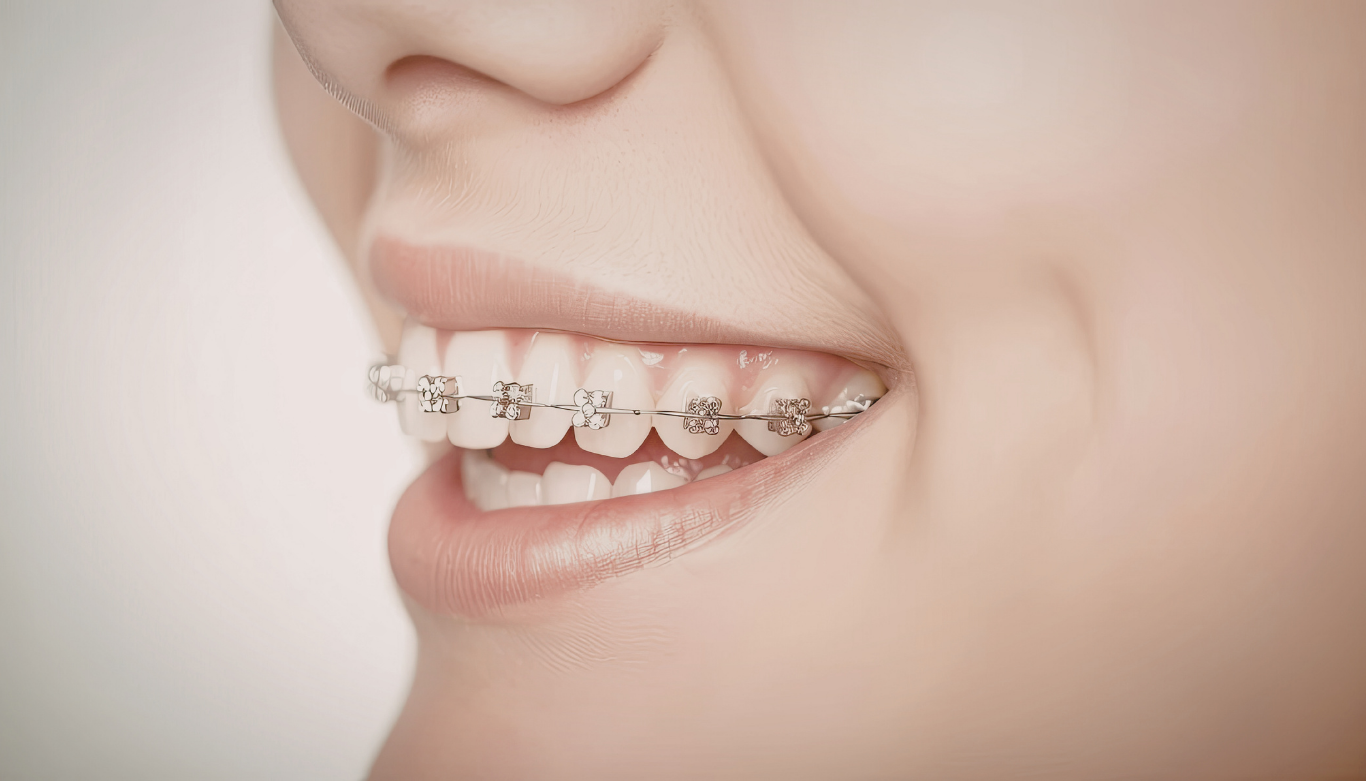
So the natural question many patients ask is:
“Do I still need to wear my retainer?”
The short answer: yes — usually long term.
Teeth naturally move throughout life, and retainers help keep your orthodontic results stable.
Here’s what you need to know about protecting your new smile.
Quick Answer: How Long Do You Need to Wear Retainers?
Most orthodontists recommend:
- Full-time wear for the first 3–6 months
- Night-time wear after that
- Long-term night wear to keep teeth straight
Because teeth naturally shift throughout life, many orthodontists now recommend wearing retainers at night indefinitely to maintain orthodontic results.
Why Do Teeth Move After Braces?
Teeth are not fixed permanently in bone. They are supported by tiny fibres called periodontal ligaments, which allow small amounts of natural movement.
After orthodontic treatment:
- The surrounding bone needs time to stabilise
- Teeth may try to drift back toward their original position
- Growth and ageing continue throughout life
This is why the retention phase is such an important part of orthodontic treatment.
Without retainers, teeth can slowly move back over time.
How Long Should Retainers Be Worn?
The exact schedule can vary depending on your treatment, but a common guideline is:
First 3–6 months
- Wear retainers full-time, except when eating or brushing.
After the initial phase
- Switch to night-time wear only.
Long term
- Most orthodontists recommend ongoing night-time wear to keep teeth aligned.
Think of retainers as protection for your orthodontic results — they help keep your smile straight after treatment.
What Happens If You Stop Wearing Your Retainers?
If retainers are not worn regularly, teeth can gradually shift.
Some common changes include:
- Small gaps reopening
- Mild crowding returning
- Changes in the bite
In some cases, the movement becomes significant enough that orthodontic retreatment may be required.
The earlier shifting is detected, the easier it is to manage.
I Haven’t Worn My Retainer for a While — Is It Too Late?
This situation is actually very common.
Many patients stop wearing their retainer for months or even years and only realise later that their teeth have started to move.
What happens next depends on how much movement has occurred.
If the movement is small
Your original retainer may still fit and could help guide the teeth back into position.
If the retainer feels tight
It may still be safe to wear it for short periods, but it’s best to have your dentist check first.
If the retainer no longer fits
A new retainer may be needed, or in some cases minor orthodontic treatment may help correct the changes.
The important thing is not to ignore the movement, because teeth tend to shift gradually over time.
A quick review can help determine the best way to keep your smile straight.
Do You Have to Wear Retainers Forever?
In most cases, long-term night-time wear is recommended.
Teeth naturally move throughout life due to:
- ageing
- bite forces
- natural changes in bone
Wearing your retainer at night is a simple way to protect the time and investment you made in orthodontic treatment.
How to Care for Your Retainer
Looking after your retainer will help it stay clean and last longer.
Simple tips include:
- Clean daily with a soft toothbrush
- Avoid hot water, which can warp the plastic
- Always store it in a protective case
- Bring it to your review appointments
If a retainer becomes lost, damaged, or loose, it should be replaced promptly to prevent teeth from shifting.
Protect Your Orthodontic Results
At Supa Dental Melton, we guide patients carefully through the retention phase — because keeping your smile straight is just as important as straightening it.
If you:
- Haven’t worn your retainer for a while
- Notice teeth starting to shift
- Need a replacement retainer
our team can help assess your teeth and keep your orthodontic results stable.
Book a review appointment with Supa Dental today.